Southeast Asia Concrete Market 2026: Opportunities for Buyers
June 2026 | 8 min read | Market Guide
The Infrastructure Boom
Southeast Asia is one of the world's fastest-growing construction markets. Indonesia is building a new capital city in Nusantara, the Philippines is investing heavily in public infrastructure, Vietnam continues rapid urbanization, and Thailand is upgrading its transport networks. All of this means one thing: surging demand for concrete.
Indonesia: The Biggest Opportunity
Indonesia's construction sector is the largest in the region, driven by the new capital project and massive infrastructure spending. Local production of concrete equipment is limited, making it a prime import market. The government's infrastructure focus through 2030 guarantees years of demand for batching plants.
Philippines: Rapid Urbanization
The Philippines has one of the region's highest urbanization rates, with major projects in Metro Manila and regional cities. The "Build Better More" infrastructure program continues to drive construction. Imported Chinese batching plants are well established here, with growing demand for both new plants and spares.
Vietnam: Manufacturing and Infrastructure
Vietnam's manufacturing boom and transport infrastructure projects drive steady concrete demand. The country is a significant importer of construction equipment, and Chinese suppliers have strong logistics advantages due to proximity.
Thailand and Malaysia: Mature Markets
Thailand and Malaysia have more mature markets with established players, but ongoing projects in rail, highways, and industrial estates create steady replacement and expansion demand. These markets value quality and after-sales support highly.
What Buyers Should Consider
For each market, consider: local certification and import requirements, voltage standards (many SEA countries use 220V/50Hz like China), availability of local technicians for installation, and shipping costs from China (all are within short shipping distance, keeping freight affordable).
How We Serve Southeast Asia
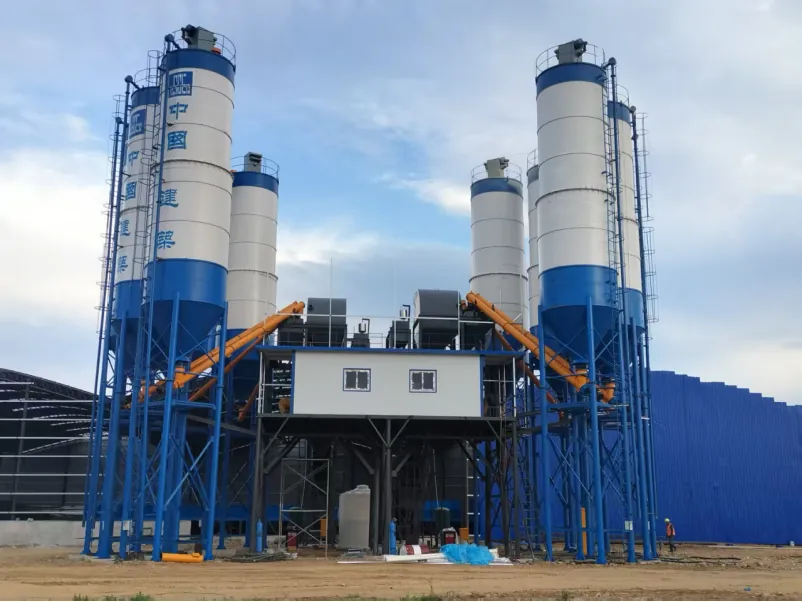
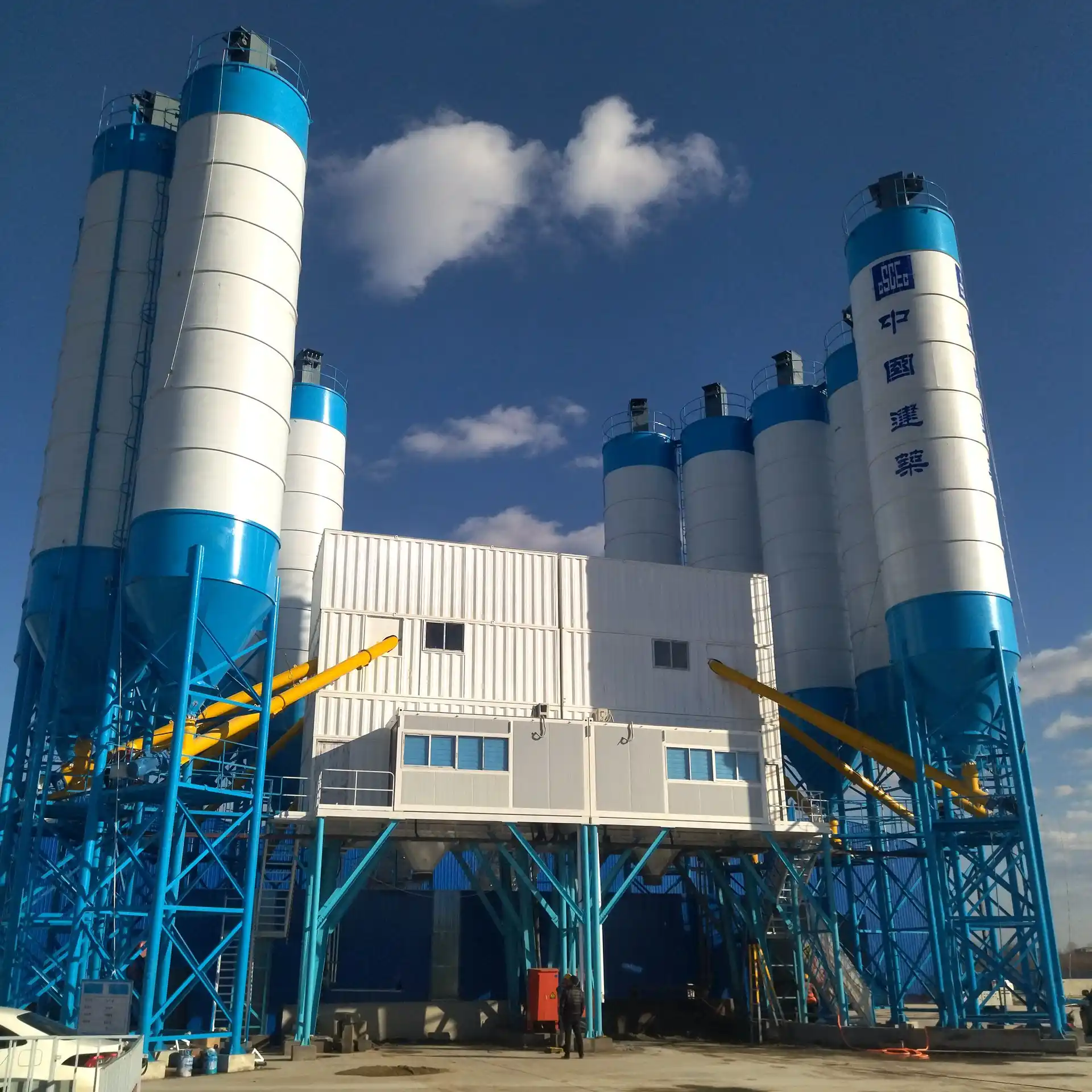
HZS Global has delivered plants to Indonesia, the Philippines, and Vietnam, with engineers available for installation support and training. We handle export documentation and can advise on local requirements. Contact us to discuss your project and we will provide a plant configuration suited to your market.
What Buyers in the Region Actually Ask
Enquiries from Southeast Asia follow a pattern that differs from Africa. Output per shift matters less than mobility: projects move, and a plant that cannot be relocated economically between islands becomes a stranded asset. That single fact drives most of the specification decisions — bolted rather than welded structures, a container plan drawn up at the order stage, and a panel that can be reconnected on a different supply.
The second recurring question is aggregate. In much of the region the locally available coarse aggregate is smaller and more variable than a standard mix design assumes. Bins and weighing need to suit what is actually deliverable, not what the design drawing specified, and a plant configured for a four-grading aggregate that arrives as three will run short of accuracy all its life.
What to specify per market
| Market | Typical requirement | What to specify |
|---|
| Indonesia | Mobile between islands, generator backup common | Bolted structures, container plan, generator-compatible panel |
| Philippines | Frequent relocation, tight island logistics | Containerised design, documented tagging for reassembly |
| Malaysia | Commercial ready-mix supply | HZS90–HZS120, full silo configuration |
| Vietnam | Infrastructure programmes, high output | HZS120–HZS180, continuous pour capability |
| Thailand | Precast and commercial supply | Stable mains supply, standard build |
Logistics Decide More Than Price
Inter-island freight in Indonesia and the Philippines can cost as much as the sea leg from China, and the inland leg is where schedules are lost. Before a plant is specified, we ask for the route: which port, what road, how wide, and whether a container can be delivered to the site or has to be broken down at a yard and trucked in sections.
Rain is the other regional factor. Mixing in a monsoon climate means water in the aggregate, and a moisture probe calibrated in the factory on dry sand will over-dose water from the first batch. Allow time at commissioning to calibrate against the actual material — this is routine, but it is not skippable.
Common Questions From the Region
Can the plant be moved between sites after the project?
Yes, and the specification should assume it will be. Bolted structures, a documented container plan and tagged cables at both ends make the difference between a two-week move and a two-month one.
Which model suits an island project?
Usually HZS60 or HZS90, because the constraint is logistics rather than output. A larger plant that cannot be moved economically becomes a stranded asset.
How do you handle high rainfall and wet aggregate?
The moisture probe is calibrated against your actual sand at commissioning, and we allow time for it. A probe calibrated in the factory on dry material over-doses water from the first batch.
What power supply is typical in the region?
380 V or 415 V at 50 Hz, with generator backup on many sites. If the plant will run on generator, say so at the order stage — the panel specification changes.
Need Help Choosing the Right Equipment?
Contact our team for expert advice and a competitive quote.
Get in Touch