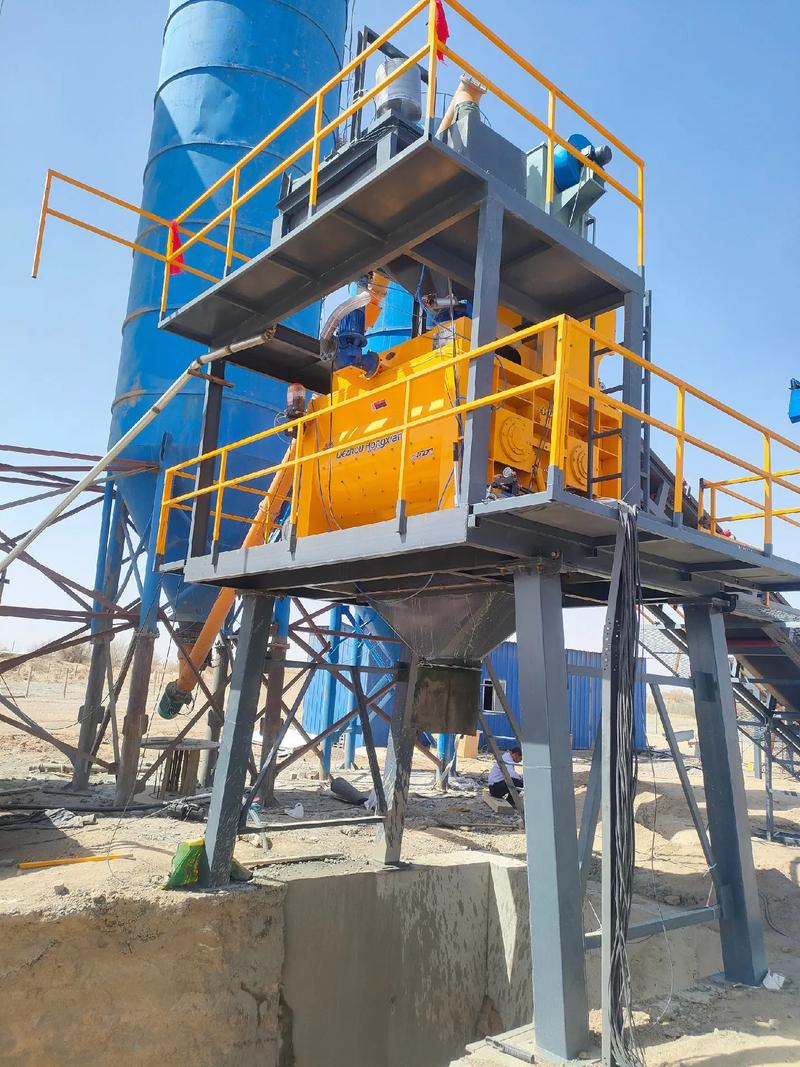
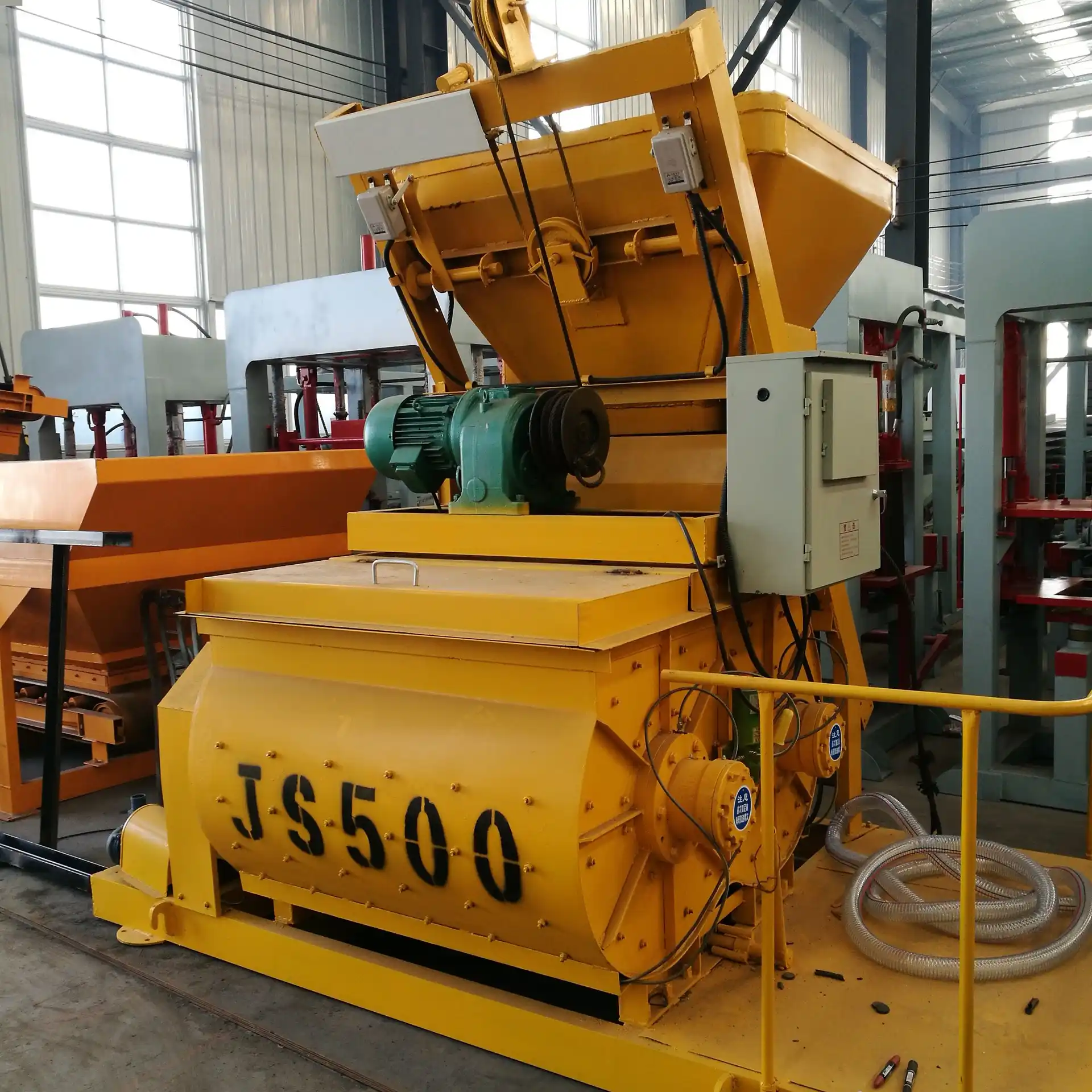
Factory-direct concrete batching plants and mixers. CE/ISO certified, global shipping, lifetime support.
Compact stationary batching plant with JS1000 mixer (37 kW). Ideal for small construction projects, precast yards, and rural infrastructure.
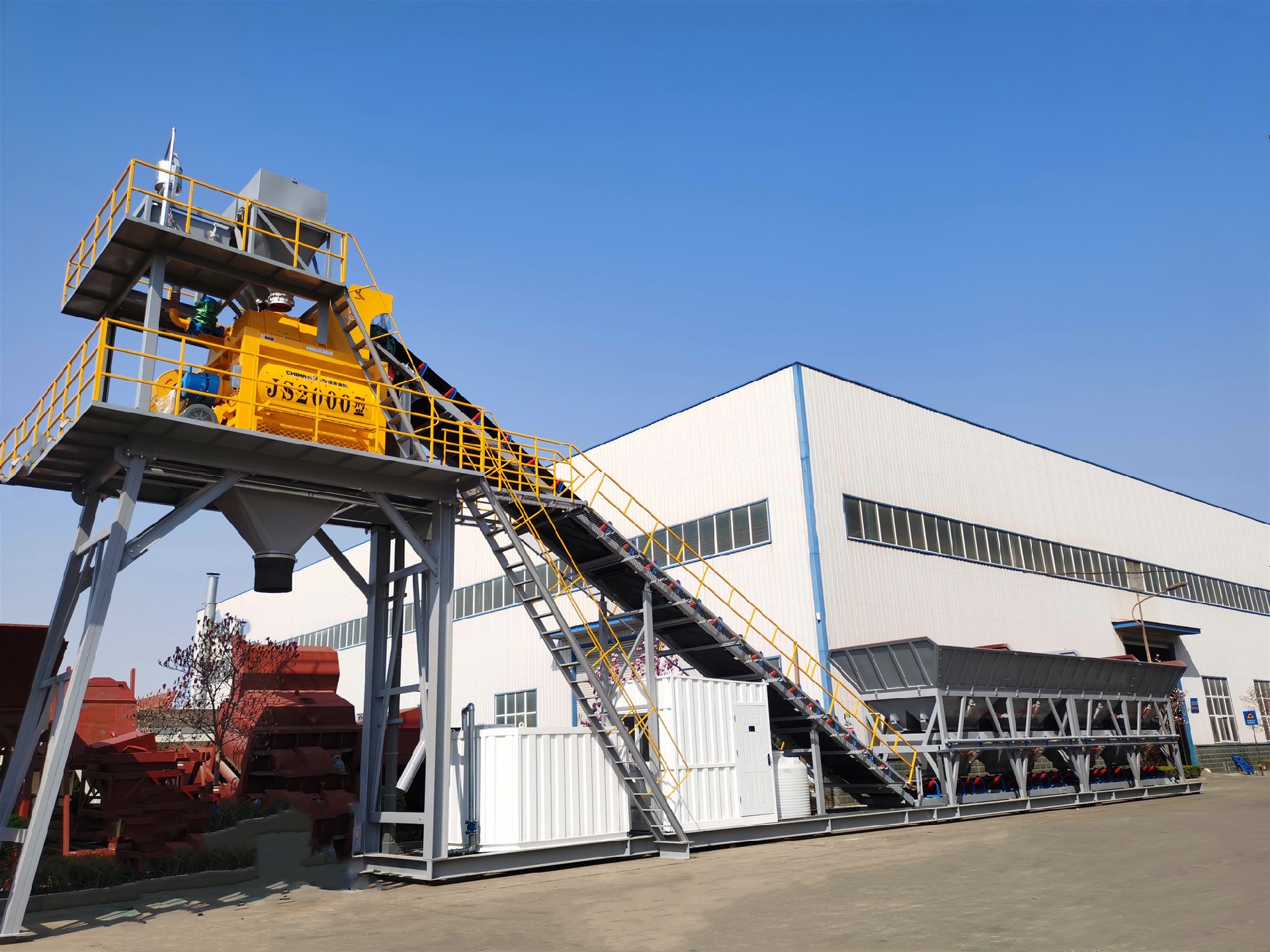
Mid-capacity plant with JS1500 mixer (45 kW). Best-seller for commercial ready-mix production and medium construction projects.
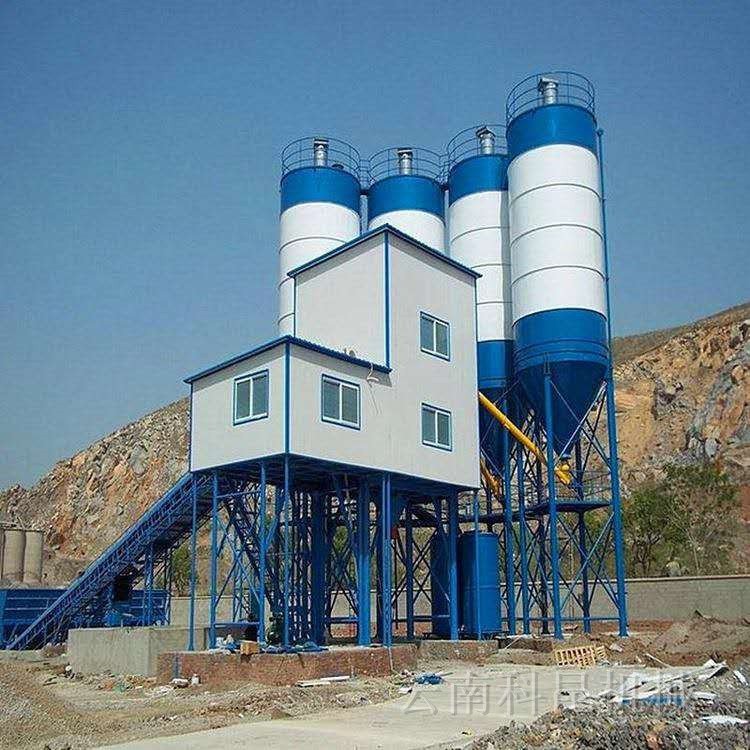
High-capacity plant with JS2000 mixer (55 kW). Perfect for large-scale commercial production, highway and bridge projects.
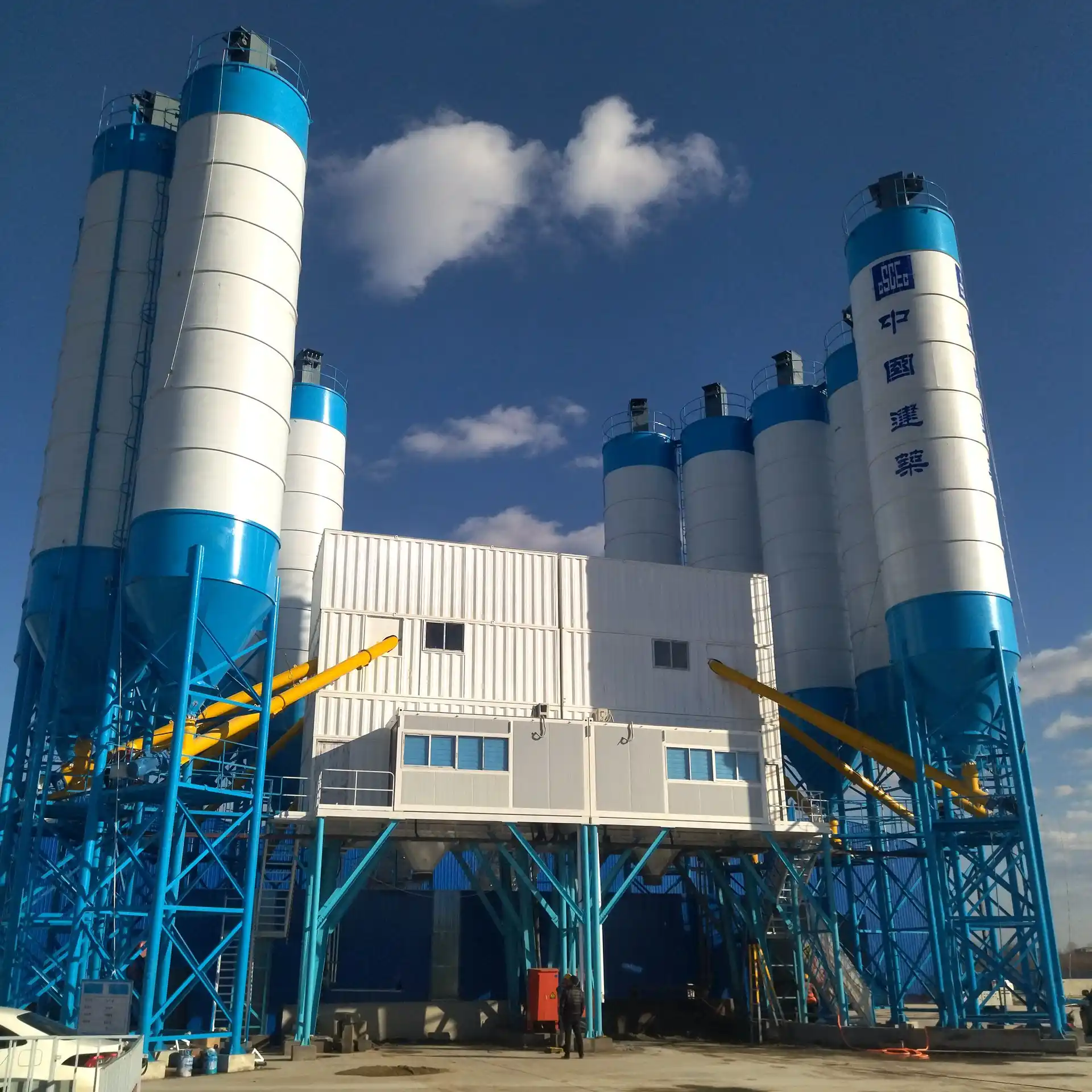
Large-scale plant with JS3000 mixer (2x37 kW). Designed for mega infrastructure, dams, ports, and continuous high-volume production.
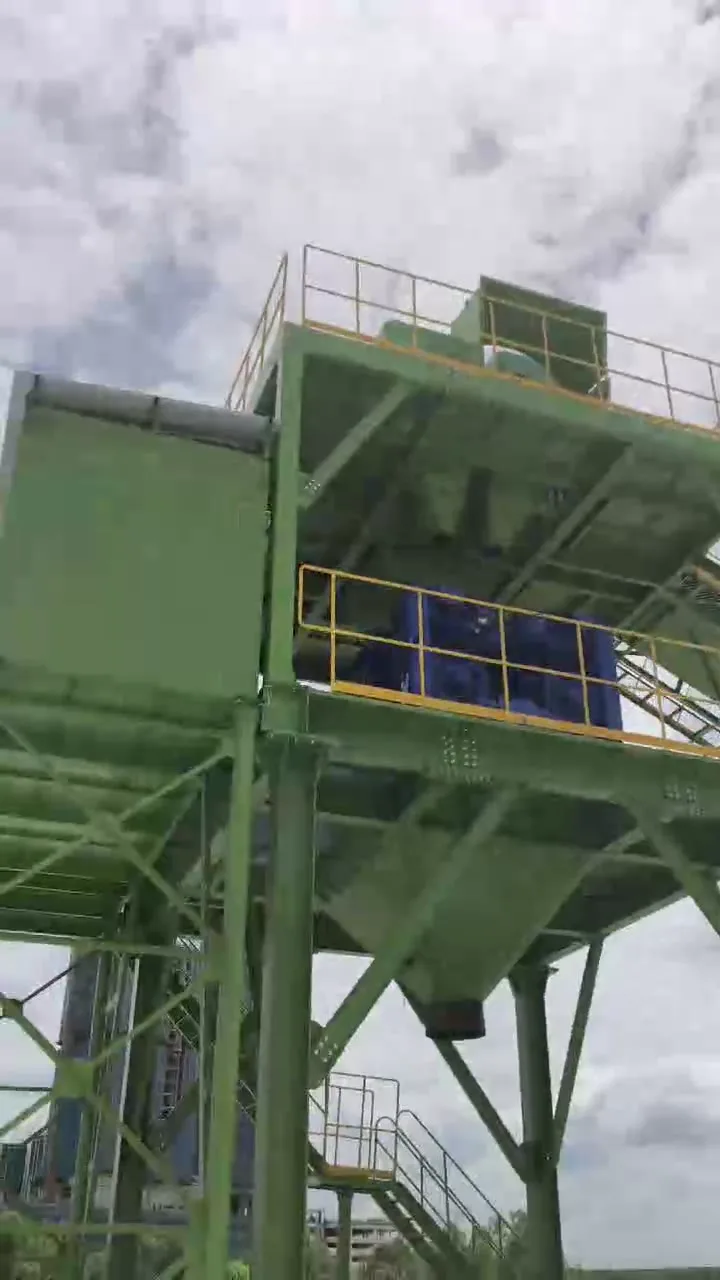
Top-of-range plant built around the JS4000 twin-shaft mixer. For large ready-mix operations and the biggest single pours.
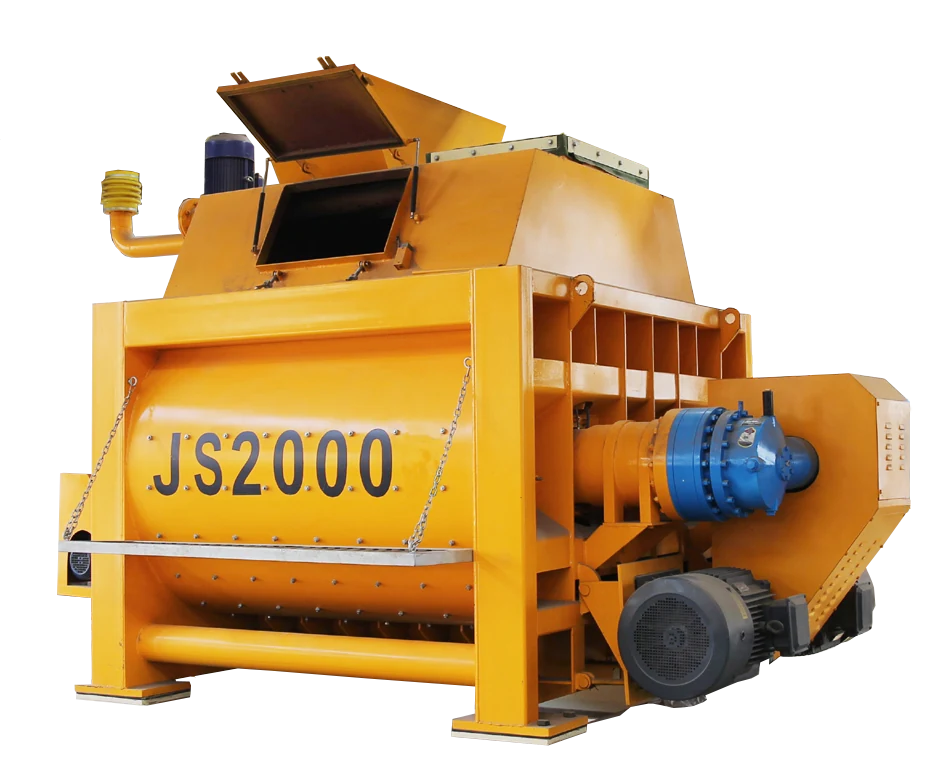
The mixer fitted to the HZS240 plant. 90 kW (2 x 45 kW), 60-second cycle, 4.0 m3 discharge per batch.
Compact twin-shaft mixer with 18.5 kW motor. Ideal for small projects, precast plants, and supporting HZS series plants.
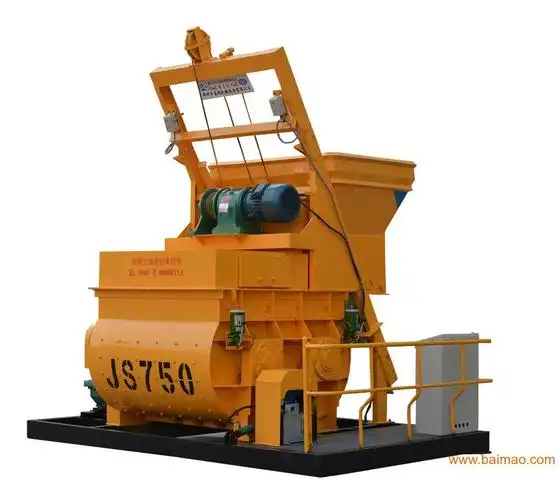
Mid-small mixer with 30 kW motor. Suitable for light commercial projects and small ready-mix operations.
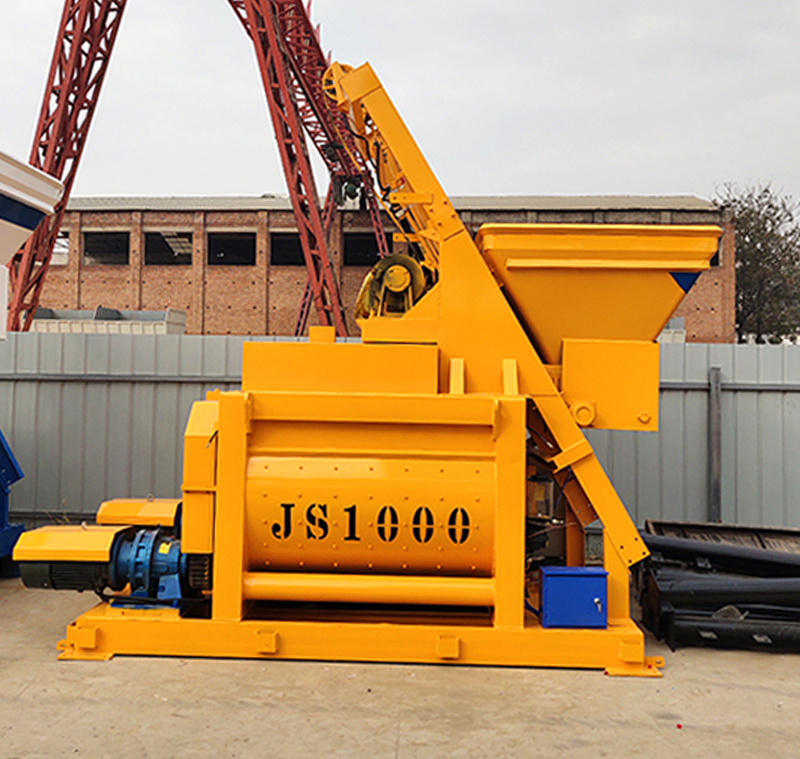
Standard mixer with 37 kW motor. Matches HZS60 plant, popular for general construction projects.
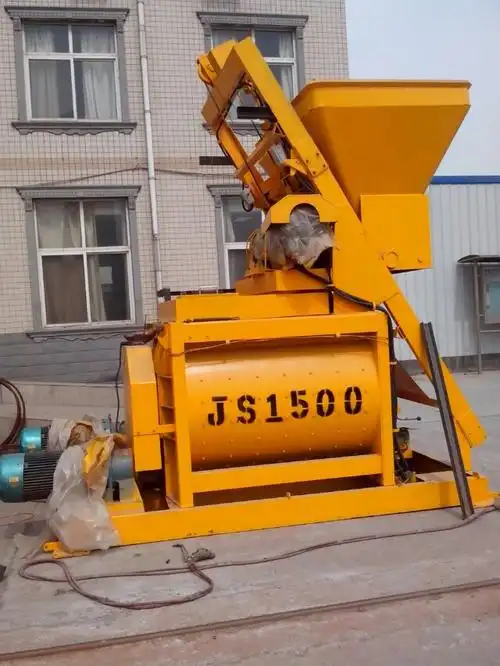
High-capacity mixer with 45 kW motor. Matches HZS90 plant for mid-size commercial production.
Premium mixer with 55 kW motor. Matches HZS120 plant for large-scale commercial and infrastructure projects.
Model selection is usually decided by one number: cubic metres required per shift, not the peak hourly figure in a catalogue. A plant rated 60 m³ per hour does not deliver 480 m³ in an eight-hour shift, because batching is interrupted by mixer cleaning, truck changes, aggregate loading and the ordinary gaps between loads. Plan on 60 to 70 percent of the theoretical hourly rate across a full shift, and pick the model above the figure you land on rather than the one that matches it exactly.
The second decision is whether you need the whole plant or only the mixer. Buyers regularly ask for "a JS1000" when what they need is an HZS60 — a complete plant with bins, weighing, skip or belt, control and silos, built around the JS1000 mixer. Ordering the mixer alone and discovering on site that there is no weighing or control system is the single most common specification mistake we see.
| Model | Output | Mixer | Total power | Indicative price | Typical use |
|---|---|---|---|---|---|
| HZS60 | 60 m³/h | JS1000 | 110 kW | $48,000–75,000 | Small to mid projects, precast yards |
| HZS90 | 90 m³/h | JS1500 | 150 kW | $65,000–100,000 | Commercial ready-mix, mid-rise |
| HZS120 | 120 m³/h | JS2000 | 190 kW | $85,000–130,000 | City supply, high-rise, continuous pours |
| HZS180 | 180 m³/h | JS3000 | 260 kW | $120,000–180,000 | Large infrastructure, dams, airports |
| HZS240 | 240 m³/h | JS4000 | 400 kW | $250,000–400,000 | Major projects, twin-station supply |
Prices are indicative ranges for planning, not an offer. The final figure depends on configuration, destination and shipping terms.
Take the HZS plant when you are starting a batching operation from nothing and need aggregate storage, weighing, control and a documented mix recipe. Take the JS mixer alone when you already have bins, weighing and a control system, and you are replacing or adding mixing capacity — common on plants that have been extended over several years.
If you are unsure which case you are in, send a photograph of what you have on site. It takes a minute and prevents an expensive mistake in either direction.
Yes. The JS series is available as a standalone machine. If you already have bins, weighing and control, the mixer alone is the right purchase — send a photograph of your existing setup and we will confirm the interface.
Configuration, destination and shipping terms decide it. Silo count, bolted or welded construction, panel specification, and whether installation is included all move the figure. Send those details and the range becomes a quote.
Yes. 415 V, 440 V and 60 Hz builds are available and must be specified at the order stage — changing the panel after it is built is far more expensive than building it correctly.
HZS60 and HZS90, because they cover the range from a single-site operation to commercial supply without over-capitalising. Buyers moving up from a smaller plant usually go to HZS120.